




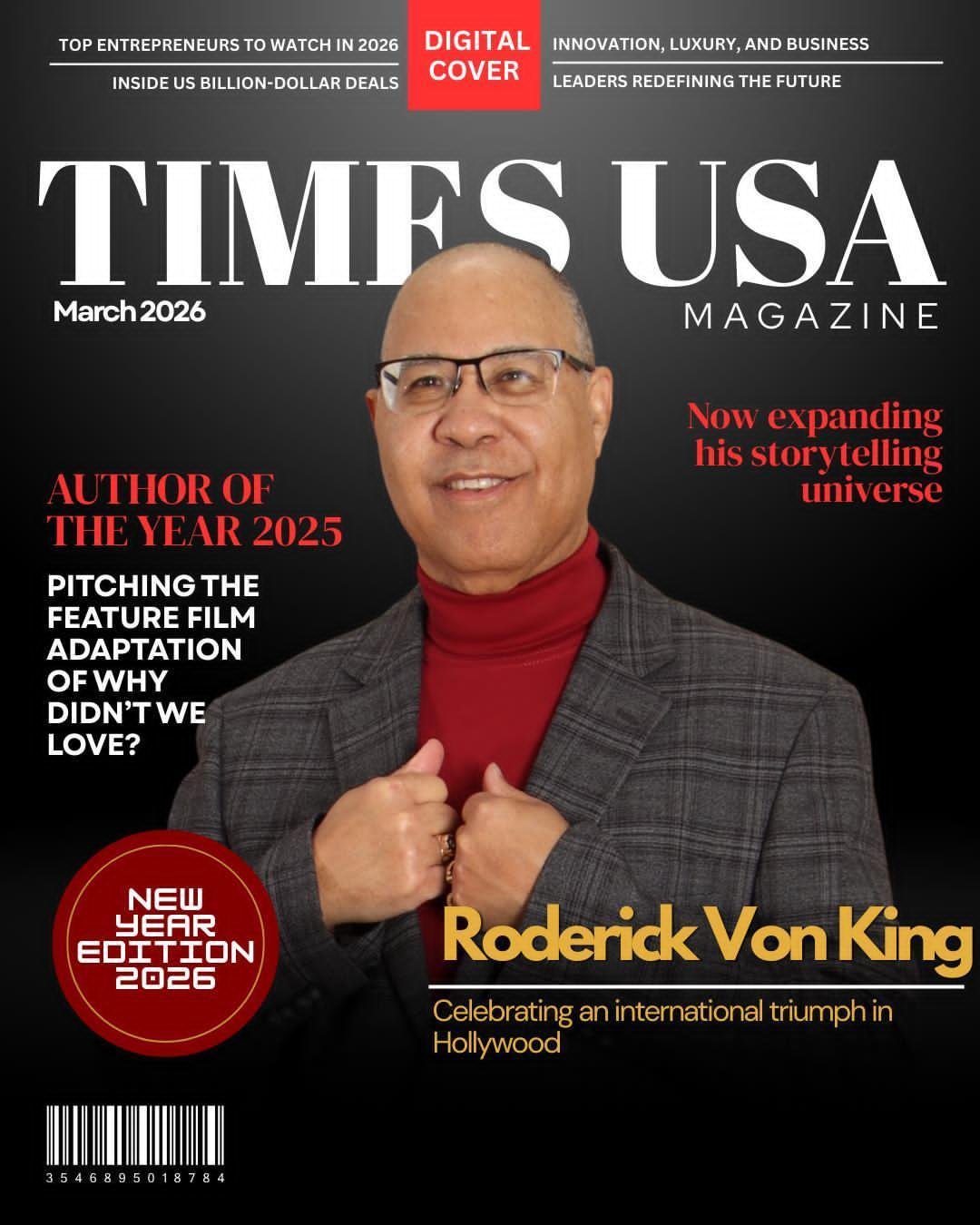
After an accomplished 44-year career as an aerospace engineer, Roderick Von King has emerged as a compelling new voice in contemporary fiction, faith-based literature, and screen storytelling—bringing with him a rare fusion of technical discipline, musical creativity, and deeply personal narrative vision.
Holding a Bachelor of Science in Electrical Engineering and a Master of Science in Computer Science, King dedicated 44 years to the aerospace industry before transitioning into a new professional chapter as an engineering consultant.
Alongside his technical career, he built a parallel life in music as a published songwriter and owner of a record label, production company, and music publishing enterprise.
This dual foundation in science and music would later shape a distinctive literary voice—one grounded in structure, emotion, and spiritual reflection.
A Breakthrough Novel Inspired by Song
King made his literary debut with the novel Why Didn’t We Love?, a story inspired by a song written by his childhood friend, Oliver Davis.
The novel received international recognition after winning the International Impact Book Award for Romance in March 2024—firmly establishing King as a powerful new author in the genre.
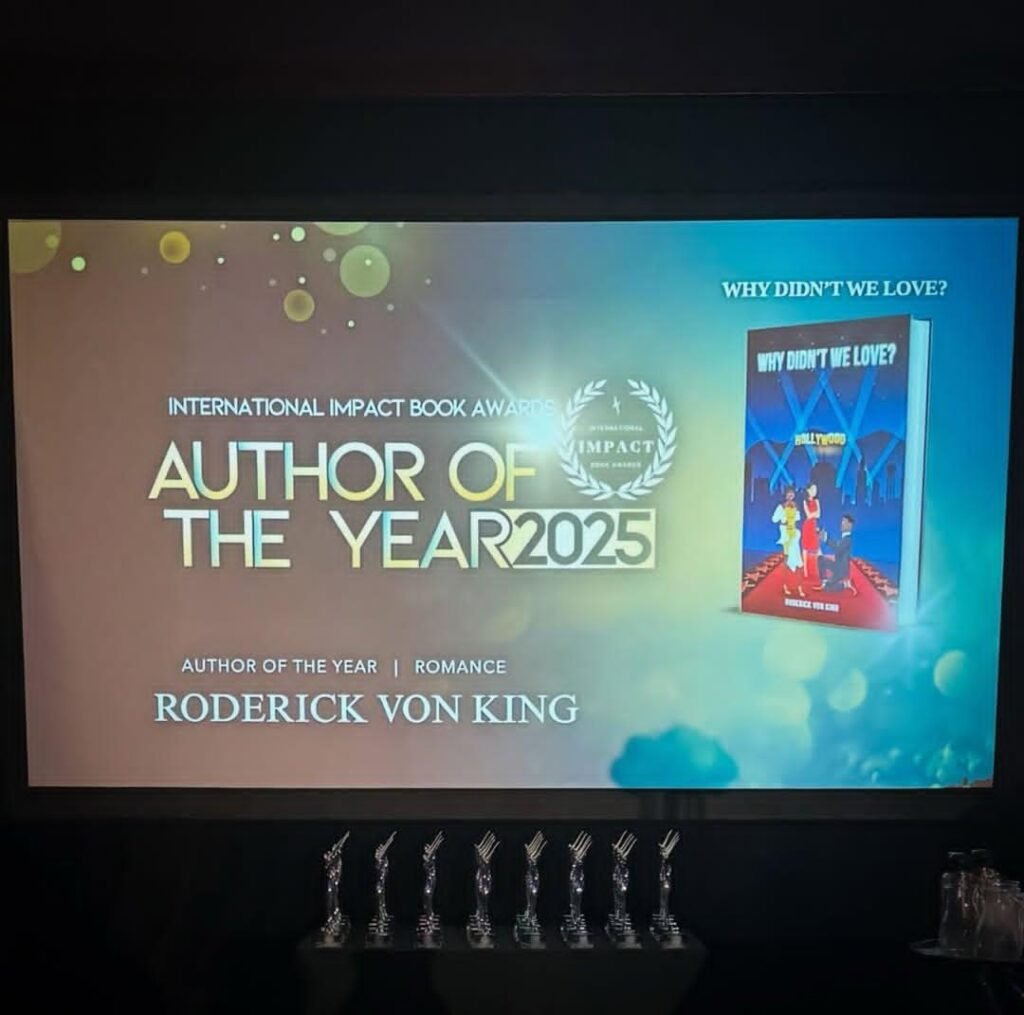
In 2025, the book went on to secure another major honor when King received Author of the Year at the same awards program in Hollywood in the fiction-romance category—further amplifying the title’s global visibility.
Expanding into Faith-Driven Literature
Following the success of his debut, King completed his second major work, Altar Call – An Honest Depiction of a Path to Salvation.
Inspired by his original song Altar Call, the book offers a sincere and structured reflection on the journey toward embracing salvation.
Former recording artists Carla Brown and Michael Nelson collaborated on the project, contributing their creative talents to help bring the work to life.
The book earned significant critical acclaim, winning the International Impact Book Award in the category of Personal Transformation and also receiving the Christlit Book Award for excellence in Christian literature.
From Page to Screen
Demonstrating a natural transition into visual storytelling, King has completed the screenplay adaptation of Why Didn’t We Love? and is actively pitching the project as a feature film.
Building on this momentum, he is now deeply engaged in screenwriting, with three additional screenplays currently in development and a fourth project planned alongside his next novel.
A New Creative Chapter: Last Night in Trinidad
Among King’s most ambitious upcoming projects is a novel titled Last Night in Trinidad.
The story chronicles King’s many journeys to Trinidad during the country’s iconic Trinidad and Tobago Carnival, exploring its music, culture, vibrant festivities, panoramic landscapes, and the electrifying parade of bands.
The project will also feature more than ten original Soca songs written by King, inspired directly by his firsthand experiences with Trinidadian Soca artists and steel pan arrangers. The work represents a natural convergence of his two creative worlds—literature and music—presented through an authentic cultural lens.
Early Influences and Musical Roots
King’s creative foundation was formed at an early age through exposure to the music industry by his cousin, Gordon DeWitty, a seasoned musician and producer.
Through this environment, King gained rare behind-the-scenes insight into professional music culture and spent time around influential artists such as:
Sly and the Family Stone
Bobby Womack
Rufus and Chaka Khan
These formative experiences sparked his lifelong passion for songwriting and ultimately led him toward screenwriting and fiction.
Synopsis — Why Didn’t We Love?
At the heart of King’s breakout novel is Bobby Vail, a sensitive, principled, and introspective man haunted by the question:
“Why didn’t we love? Why did we try to hide what was deep inside?”
A former 1972 high-school All-American scholar-athlete, Bobby chooses education over sports or music and attends a small private university in Los Angeles to remain close to his cousin, Ronnie Cole—one of Hollywood’s leading Black actors.
It is there that he meets Monica Devoreaux, a beautiful young woman from New Orleans who becomes the emotional center of his life.
What follows is a two-decade emotional pursuit shaped by poor timing, conflicting ambitions, and deeply personal circumstances.
While Bobby offers unwavering affection, Monica’s desire for independence and a more affluent lifestyle entangles her in a complicated relationship with a much older, wealthy man.
Despite romantic barriers, Bobby and Monica develop a profound friendship—exploring sensitive and often divisive issues surrounding race, politics, and religion. At the same time, Bobby’s career as a project engineer for a national defense company places him at the center of a corporate cover-up, forcing him to confront the moral cost of professional success and the courage required to stand alone against institutional power.
The novel presents a refreshingly honest portrait of the male emotional experience, challenging long-standing stereotypes surrounding masculinity and emotional expression.
A turning point arrives when Bobby meets Kathleen Keaton (KK) at a Delta Sigma Theta fashion show luncheon hosted by his mother during his ten-year high school reunion. An elegant and spiritually grounded woman, KK captures Bobby’s heart and offers him a new beginning.
Their whirlwind romance leads to marriage and KK’s entry into the music industry through a record deal facilitated by Ronnie. However, fame reshapes KK in unexpected ways. Hollywood’s spotlight transforms her from a humble, God-fearing woman into a complex and emotionally distant diva—opening the door to mistrust, temptation, and scandal.
When circumstances later reunite Bobby and Monica, both attempt to place their faith in God and finally pursue the love they once avoided. Together, they confront the consequences of unspoken truths, unresolved emotions, and long-standing misconceptions.
Ultimately, Why Didn’t We Love? becomes a reflective exploration of destiny, faith, and personal responsibility, asking whether life is shaped by fate, random circumstance, or the accumulation of choices both good and bad.
A Purpose-Driven Creative Future
Now fully transitioned from engineering into writing and filmmaking, Roderick Von King continues to captivate audiences through stories rooted in real experience, cultural exploration, emotional truth, and spiritual inquiry.
With multiple screenplays underway and a culturally rich new novel in development, his work reflects not only a creative reinvention—but the emergence of a storyteller uniquely equipped to bridge music, faith, romance, and cinema for a global audience.
“Photo credit by Lauren Abidin and Leroy Barnette Jr.”